
WATER PROPERTIES

Updated: Aug 30
pictures and notes are based and from YouTube
Water has 7 Different Properties
Why? Because it is POLAR (confused? Check out POLARITY AND HYDROPHILIC VS HYDROPHOBIC)
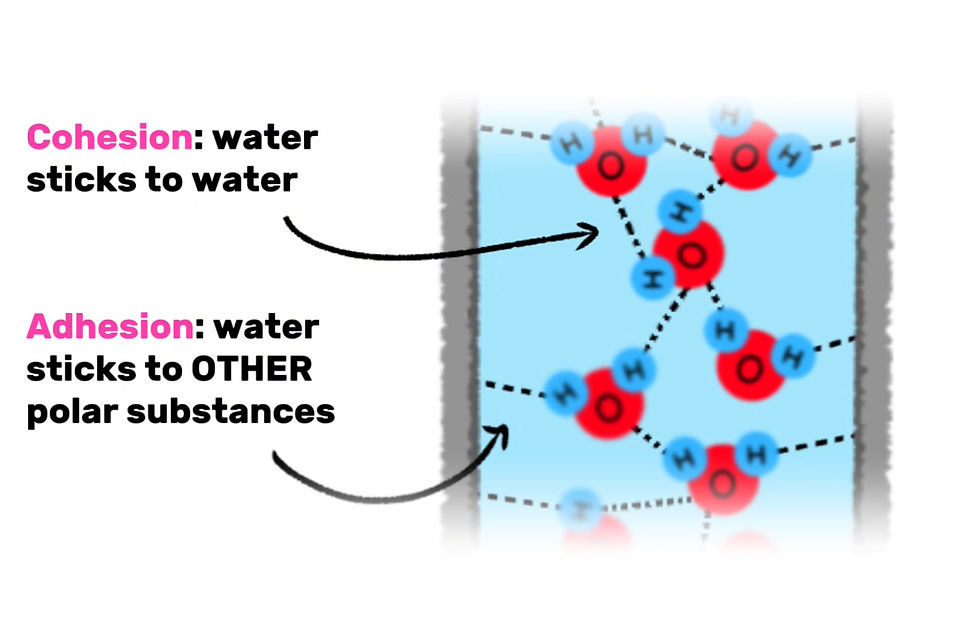
Cohesion: water molecules stick to each other
Why? hydrogen bonds (strong polar interactions between water molecules)

Adhesion: water sticks to OTHER polar substances
Why? polar interacts with polar

Surface Tension: water's invisible thick skin
Why? Nothing is above surface water molecules (only air) > surface water molecules form stronger hydrogen bonds on nearby water molecules (below + beside)

Capillary Action: water moves through narrow spaces without the assistance of gravity
Why? Adhesion + Cohesion.
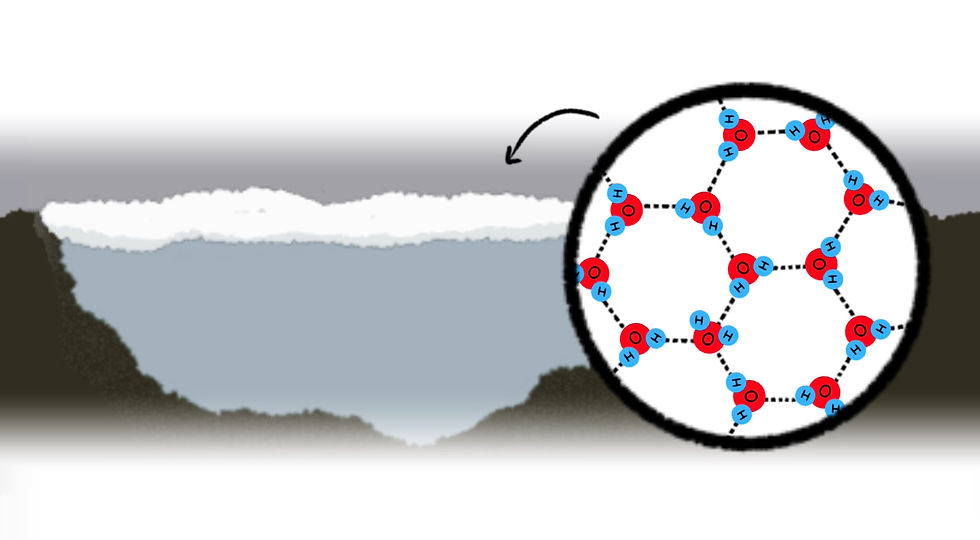
Low Density when Frozen: water floats on water
Why? Water molecules expand when frozen
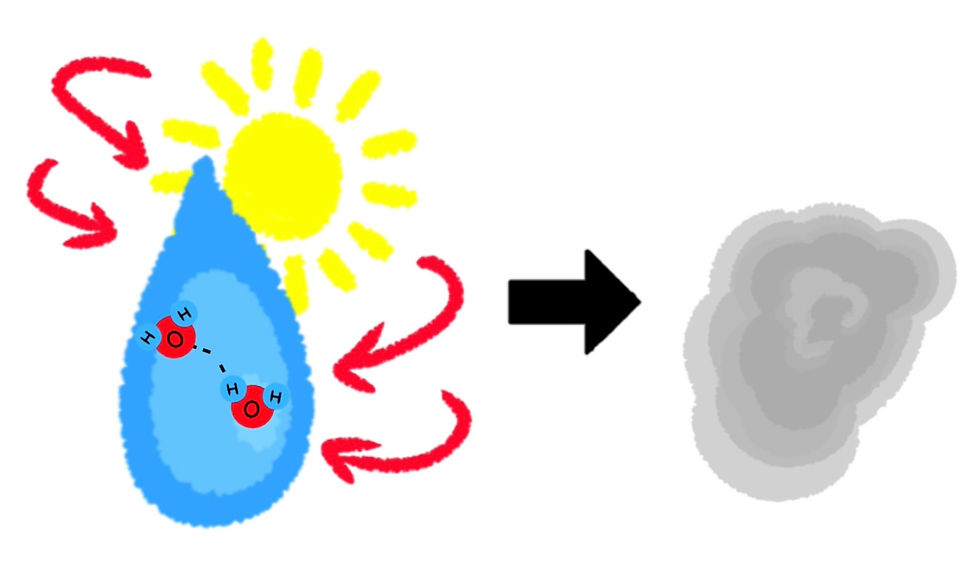
Remember: Temperature rises > Water molecules move faster. Temperature lowers > molecules slow down
High Specific Heat: water needs to absorbs/release a lot of heat to change temperature/water is very resistance to temperature change
Why? Hydrogen Bonds.
It absorbs a lot of heat > raise temperature:
a PORTION of heat is used to break the hydrogen bonds
After broken > molecules can move faster/water can heat up
It releases a lot of heat > lower temperature:
molecules slow down as temperature lowers > reform hydrogen bonds
a LITTLE heat is released per hydrogen bond so MANY hydrogen bonds need to occur

High Heat of Vaporization: water needs to absorb a lot of heat to vaporize (turn from liquid to gas. This can be done through evaporation or boiling)
Why? Hydrogen Bonds. A PORTION of heat is used to break the hydrogen bonds before it can become vapor
same as High Specific Heat except water is turning into vapor
Questions
Name all the 7 different water properties.
What property allows water molecules to stick to water molecules?
What combination of properties allow water to move through narrow spaces?
What property allows water to move through narrow spaces?
What is the difference between Adhesion and Cohesion?
What is surface tension and why does it occur?
Do water molecules expand or condense when it freezes?
What water property allows water to absorb or release a lot of heat to change temperatures?
What does the word "vaporize" mean?
Why does water have its 7 different properties?
What is the difference between High Heat of Vaporization and High Specific Heat?
When temperature rises, what happens to water molecules?
Why does water need to absorb a lot of heat to raise its temperature?
Why does water need to release a lot of heat to lower its temperature?
What is the property that allows water to move through narrow spaces without the assistance of gravity?
When water is heated, what happens to the hydrogen bonds?
When water is cooled, what happens to the hydrogen bonds?
What is cohesion and why does it occur?
What is adhesion and why does it occur?
What is the property that allows water to float on water?
Answers
Cohesion, Adhesion, Surface Tension, Capillary Action, Low Density when Frozen, High Specific Heat, High Heat of Vaporization
Cohesion
Adhesion and Cohesion
Capillary Action
Cohesion is water sticking to water molecules, while Adhesion is water sticking to other polar substances that isn't water.
Surface Tension is water's invisible thick skin. This occurs because there are no water molecules above surface water molecules (only air), so they form stronger hydrogen bonds with nearby molecules.
Expand
High Specific Heat
To turn from liquid to gas through evaporation or boiling.
Water is polar.
High Specific Heat explains that water needs a lot of heat to change temperature, while High Heat of Vaporization explains that water needs a lot of heat to become vapor (change from liquid to gas)
Water molecules move faster/
A portion of heat is used to break the hydrogen bonds before molecules can move faster/water can heat up.
Hydrogen bonds form and release a small amount of heat per bond, so many bonds need to form to lower water's temperature significantly.
Capillary Action
Hydrogen Bonds break.
Hydrogen bonds reform.
Water molecules sticking to each other because of hydrogen bonding between water molecules.
Water molecules sticking to other polar substances because polar interacts with polar.
Low Density when Frozen
Comments